
Petrol Price Increase in Pakistan
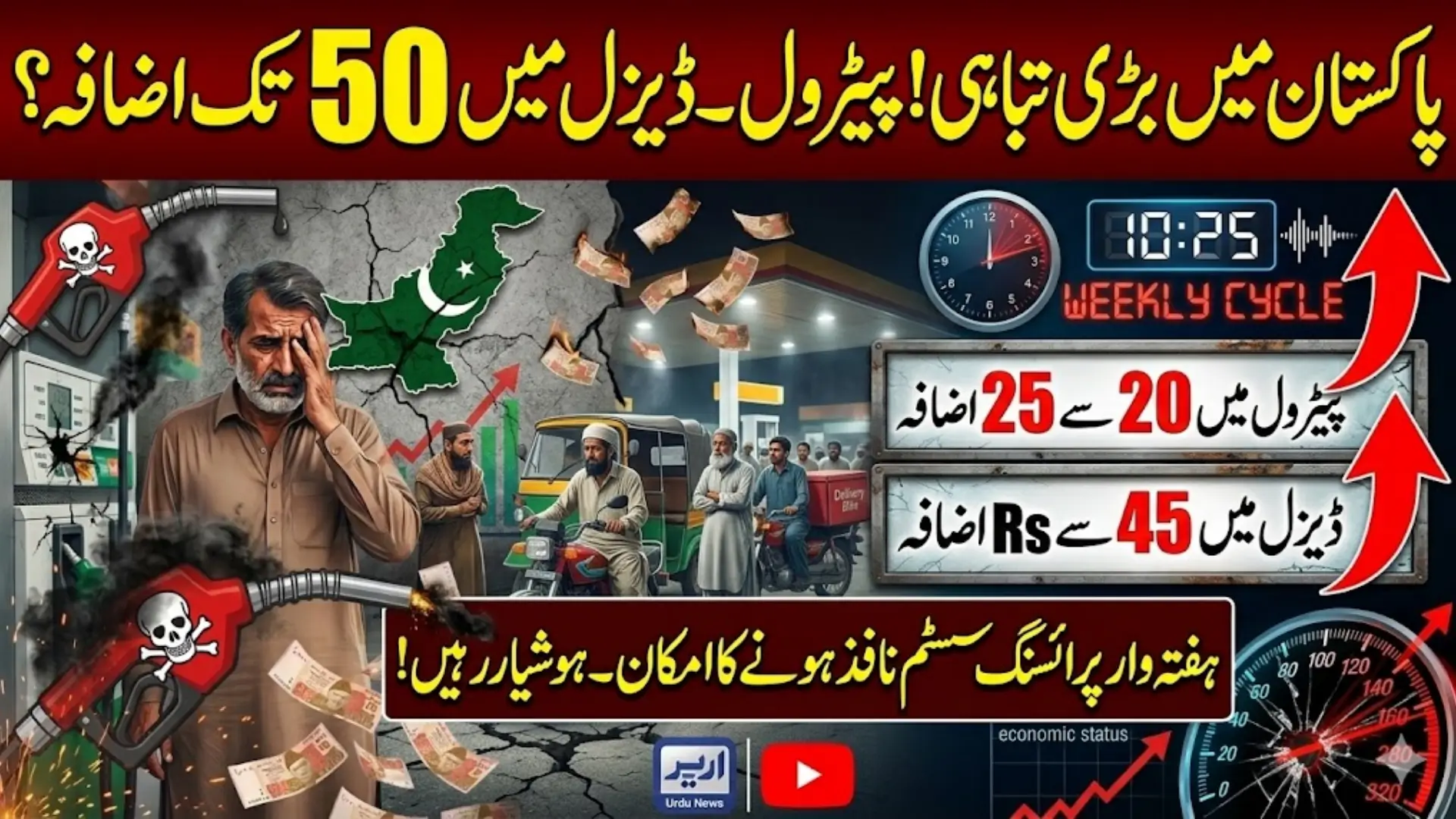
Petrol Price Increase in Pakistan Pakistan may soon witness another significant increase in fuel prices as the federal government considers introducing a new weekly petroleum pricing system. Currently, petrol and diesel prices are revised every 15 days, but authorities are discussing a new plan to review prices every week due to the rapid changes in international oil markets.
Reports suggest that if the proposal is approved, petrol prices could increase by Rs 20 to Rs 25 per litre, while high-speed diesel may rise by Rs 45 to Rs 50 per litre. For many Pakistani households already dealing with inflation, such increases can directly affect transport expenses, food prices, and overall daily living costs.
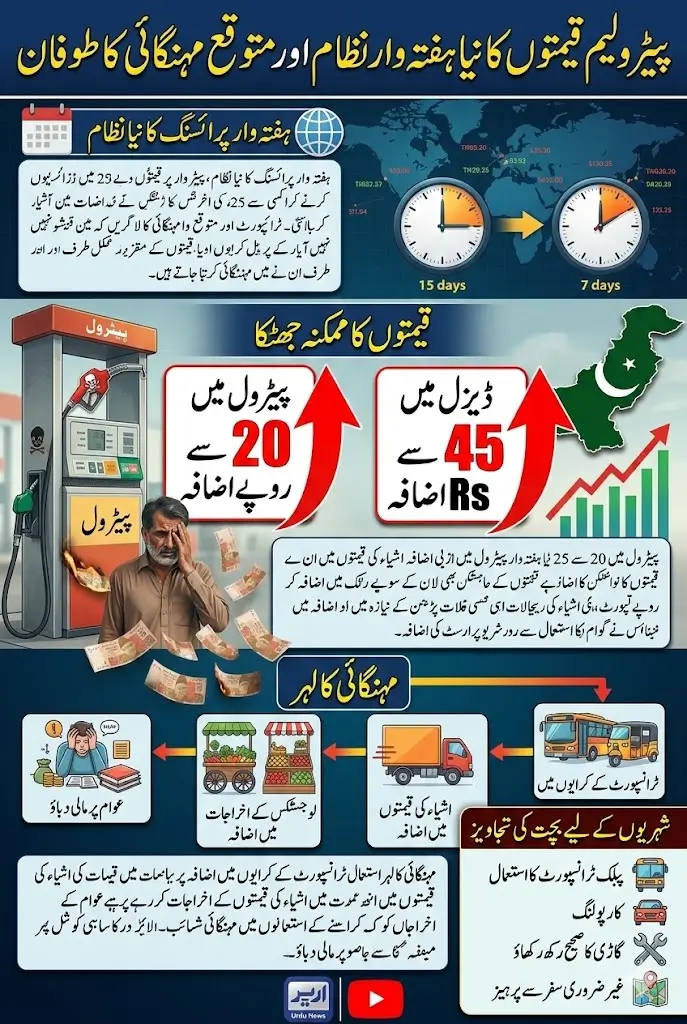
The government believes that updating fuel prices more frequently will allow the country to respond quickly to global market fluctuations. However, citizens are concerned that this new system may lead to frequent and unpredictable fuel price changes.
You Can Also Read: KP Government Announces Rs 12,500 Ramzan Package 8558 SMS
Current Petroleum Price Adjustment Method in Pakistan
At present, the government revises petrol and diesel prices twice a month. After reviewing global oil prices, shipping costs, and currency exchange rates, the authorities announce new prices that remain valid for the next 15 days.
This system has been in place for several years and has helped maintain some stability in the fuel market. Oil companies, petrol pump owners, and the public generally know that prices will change on specific dates each month.
However, the problem arises when international oil prices change suddenly. In such cases, the government cannot immediately adjust local fuel prices because it must wait for the next scheduled review date. This delay can sometimes cause financial pressure on oil companies and create uncertainty in the market.
Some officials believe the current system is too slow to react to global market changes, especially during periods of economic instability.
You Can Also Read: BISP Wallet SIM Issued Or Not For 13500 Payment Withdrawal
Proposed Weekly Fuel Pricing Policy Explained
The government is now discussing a weekly petroleum pricing mechanism. Under this system, petrol and diesel prices would be reviewed every week instead of every 15 days.
Supporters of this policy argue that global oil markets change very quickly, and Pakistan needs a pricing system that can adjust to those changes without delay. By updating prices weekly, authorities can ensure that local fuel prices remain closer to international market rates.
Another reason for considering this change is to reduce the risk of fuel hoarding. When people expect a major price increase, petrol pumps sometimes store fuel to sell later at higher prices. Weekly updates could make such practices more difficult.
Officials also believe that faster price adjustments may help the government manage the national fuel supply more efficiently and avoid sudden financial losses for oil companies.
You Can Also Read: 8070 Ramzan Relief Package 13000 Payment Start In Digital Wallet
Estimated Increase in Petrol and Diesel Rates
According to recent reports, petroleum prices could rise significantly in the coming days due to increasing international oil costs and higher shipping expenses.
The expected increases may affect both petrol and diesel, although diesel is likely to see a bigger rise because it is widely used in transport, agriculture, and heavy vehicles.
| Fuel Type | Expected Increase | Possible Impact |
|---|---|---|
| Petrol | Rs 20 – Rs 25 per litre | Higher private vehicle fuel costs |
| High-Speed Diesel | Rs 45 – Rs 50 per litre | Increased transport and logistics costs |
These increases could directly affect people who depend on motorcycles, cars, buses, and delivery services. When diesel prices increase, it also raises the cost of transporting goods across the country.
As a result, the prices of vegetables, fruits, and other daily items may increase because transportation becomes more expensive.
You Can Also Read: Maryam Ko Batayn Helpline 1000 Ramzan Rashan
Impact of Higher Fuel Prices on Daily Life
Whenever petrol and diesel prices rise, the impact is felt across almost every sector of the economy. Transportation is one of the first sectors affected because vehicles depend heavily on fuel.
In many cities across Pakistan, public transport operators quickly increase fares when fuel costs rise. This means daily commuters, students, and workers have to spend more money just to travel.
The effects do not stop there. Higher transport costs also increase the price of goods being delivered to markets. This can lead to inflation in food prices and everyday household items.
Some common effects of rising fuel prices include:
- Increase in bus, rickshaw, and taxi fares
- Higher delivery costs for businesses
- Rising vegetable and grocery prices
- Increased logistics expenses for companies
- Greater financial pressure on low-income families
For households already struggling with rising living costs, fuel price increases can make managing monthly budgets even more difficult.
You Can Also Read: Talk2cm.punjab.gov.pk Portal 2026
Government Strategy to Control Fuel Consumption
Along with possible price increases, the government is also considering measures to reduce fuel consumption across the country. Lower fuel usage can help decrease Pakistan’s import bill and reduce pressure on foreign exchange reserves.
Some strategies being discussed are similar to the energy-saving steps taken during the COVID-19 period.
| Fuel Saving Strategy | Expected Result |
|---|---|
| Work-from-home policies | Reduced daily commuting fuel use |
| Online classes for some institutions | Less school transport traffic |
| Public awareness campaigns | Encourage responsible fuel use |
| Monitoring petrol pumps | Prevent hoarding and artificial shortages |
| Promotion of public transport | Lower private vehicle usage |
Officials believe that if people adopt these practices, it could significantly reduce national fuel consumption and help stabilize the economy.
How the Weekly Pricing Model Could Affect the Market
If the weekly pricing system is implemented, the fuel market in Pakistan may experience more frequent but smaller adjustments in prices. Instead of waiting two weeks for a major change, prices could move up or down more regularly.
For oil companies and the government, this system could provide a better way to manage financial risks when global oil prices fluctuate rapidly.
However, from the public’s perspective, frequent changes might create uncertainty. People may find it harder to predict fuel expenses if prices change every week.
Still, supporters believe the system could make the fuel market more transparent and responsive to international developments.
You Can Also Read: CM Punjab Rehmat Card 2026
Practical Ways for Citizens to Reduce Fuel Expenses
While fuel prices are mostly beyond the control of ordinary citizens, people can still take some practical steps to reduce their fuel expenses.
Small lifestyle changes can make a noticeable difference in monthly transportation costs.
Some useful strategies include:
- Using public transport whenever possible
- Sharing rides with colleagues or neighbors
- Keeping vehicles properly maintained for better mileage
- Planning trips carefully to avoid unnecessary travel
- Avoiding aggressive driving that wastes fuel
By adopting these habits, families can reduce fuel consumption and better manage their household budgets during times of rising prices.
You Can Also Read: Breaking News 9999 Ramzan Relief Package 2026 Registration
Final Thoughts
Pakistan is considering a weekly petroleum pricing system as global oil markets continue to fluctuate rapidly. While this approach could help authorities respond more quickly to international price changes, it may also result in more frequent adjustments in petrol and diesel rates.
Reports suggest petrol could increase by Rs 20 to Rs 25 per litre, while diesel may rise by Rs 45 to Rs 50 per litre. Such increases could influence transportation costs, food prices, and overall household spending across the country