
Diesel and Petrol Price in Pakistan Today
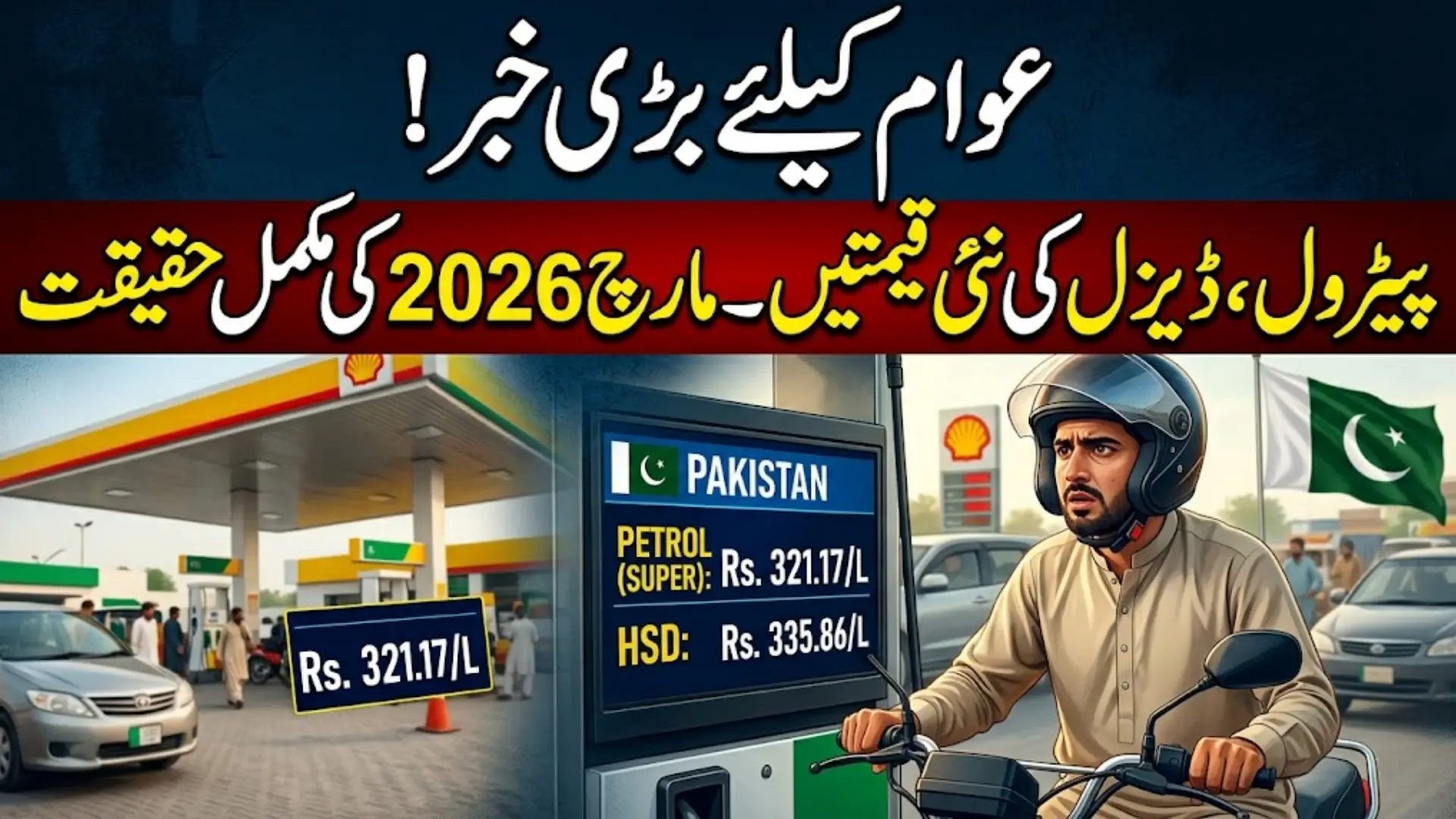
Diesel and Petrol Price in Pakistan Today latest petrol and diesel prices in Pakistan, effective from March 28, 2026, show no change compared to the previous revision. Petrol (Super) is currently being sold at Rs. 321.17 per litre, while High-Speed Diesel (HSD) is available at Rs. 335.86 per litre. This stability has come as a temporary relief for citizens who were expecting another price hike due to rising international oil trends.
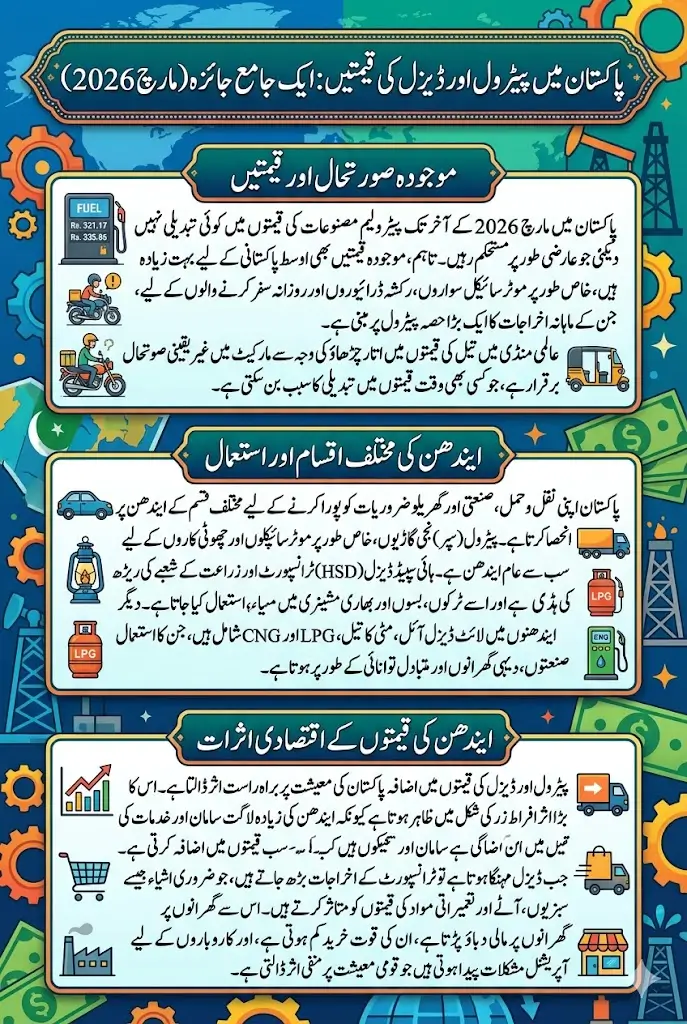
From what we are witnessing across local petrol pumps and transport routes, even stable prices at this level are still considered high for the average Pakistani. Motorcycle users, rickshaw drivers, and daily commuters are feeling the pressure, as fuel remains one of the largest monthly expenses. The situation clearly reflects how deeply fuel prices are connected with daily life in Pakistan.
You Can Also Read: BISP 8171 April 2026 Payment Distribution Schedule
At the moment, the key highlights are:
- Petrol price remains at Rs. 321.17 per litre
- High-Speed Diesel is Rs. 335.86 per litre
- No increase or decrease in the latest announcement
- Prices are applicable nationwide from March 28, 2026
- Market uncertainty still exists due to global oil fluctuations
Latest Petroleum Price Table in Pakistan
Below is the updated petroleum price table showing current rates and comparison with previous prices:
| Fuel Type | Previous Price (PKR) | Current Price (PKR) | Change |
|---|---|---|---|
| Petrol (Super) | 321.17 | 321.17 | 0.00 |
| High Speed Diesel | 335.86 | 335.86 | 0.00 |
| Light Speed Diesel | 159.76 | 159.76 | 0.00 |
| Kerosene Oil | 176.81 | 176.81 | 0.00 |
This table clearly shows that there has been no change in any petroleum product during this pricing cycle. However, history suggests that such stability is often short-lived, and prices may change again in the next revision.
You Can Also Read: BISP 8171 Biometric Payment System 2026
Understanding Different Types of Petroleum Used in Pakistan
Pakistan relies heavily on multiple types of petroleum products to meet its transportation, industrial, and household energy needs. Each fuel type plays a specific role, and its demand varies depending on usage patterns in urban and rural areas.
Petrol is the most commonly used fuel for private vehicles, especially motorcycles and small cars. Diesel, on the other hand, is the backbone of the transport and agriculture sector. Meanwhile, fuels like kerosene and LPG are still widely used in areas where gas supply is limited.
The main petroleum products used in Pakistan include:
- Petrol (Super) for cars and bikes
- High-Speed Diesel for trucks, buses, and heavy machinery
- Light Diesel Oil for smaller industrial use
- Kerosene oil for rural households and small equipment
- LPG for cooking and heating in off-grid areas
- CNG as a cheaper and cleaner alternative fuel
You Can Also Read: Current Silver Rate in Pakistan: Increase and Decrease
Petrol (Super) Price in Pakistan and Its Daily Impact
Petrol, commonly known as super, is essential for millions of Pakistanis who depend on motorcycles and small vehicles for their daily commute. Its higher octane rating helps engines run smoothly, providing better performance and efficiency. However, with the current price above Rs. 320 per litre, it has become a major financial burden for middle and lower-income groups.
In everyday life, the impact of petrol prices is visible everywhere. Whether it is a student traveling to college or an office worker commuting daily, everyone feels the pressure. Even small increases in petrol rates can significantly disturb monthly budgets, forcing people to cut down on other expenses.
Key points regarding petrol usage:
- Most widely used fuel in Pakistan
- Essential for daily commuting and transportation
- Directly impacts household budgets
- High prices reduce mobility for low-income groups
High-Speed Diesel (HSD) and Its Role in Pakistan’s Economy
High-Speed Diesel is often considered the engine of Pakistan’s economy. It is primarily used in heavy transport vehicles, agricultural machinery, and industrial operations. Because of this, any change in diesel prices has a direct and immediate impact on inflation and market prices.
When diesel becomes expensive, transportation costs increase, which ultimately raises the prices of essential goods such as vegetables, flour, and construction materials. This chain reaction is commonly observed in local markets, where traders adjust prices according to fuel costs.
Important aspects of diesel usage include:
- Powers trucks, buses, and logistics networks
- Supports agriculture sector including tractors and tube wells
- Plays a key role in industrial production
- Strong connection with inflation and cost of living
You Can Also Read: Benazir Taleemi Wazaif Payment Rise 2026
Light Diesel Oil and Kerosene Oil in Everyday Use
Light Diesel Oil (LDO) and kerosene oil may not be as widely discussed as petrol and diesel, but they still hold importance in Pakistan’s energy mix. Light diesel is typically used in small industries and machinery that require moderate power.
Kerosene oil continues to be relevant, especially in rural and underdeveloped areas where natural gas is not available. Many households still depend on kerosene for cooking and lighting, making its price an important factor for low-income communities.
These fuels are mainly used for:
- Operating small-scale machinery
- Meeting household energy needs in rural areas
- Providing alternative energy where gas is unavailable
LPG and CNG Prices and Their Alternatives
Liquefied Petroleum Gas (LPG) is widely used in Pakistan, especially in areas without access to pipeline gas. It serves both domestic and commercial purposes. With a price around Rs. 254.86 per kg, LPG is still considered an essential fuel despite its fluctuating rates.
CNG, once a popular alternative fuel, is still used due to its affordability and environmental benefits. Although its availability has decreased in recent years, it remains a cost-effective option compared to petrol.
Important highlights include:
- LPG widely used in homes for cooking
- CNG is cheaper and environmentally friendly
- Both fuels serve as alternatives to petrol and diesel
- Demand increases when petrol prices rise
You Can Also Read: New Electricity Meter Rules in Pakistan 2026
Hi-Octane Fuel and Premium Pricing in Pakistan
Hi-octane fuel is designed for high-performance vehicles and offers better engine efficiency. However, it is not commonly used by the general public due to its higher cost. Unlike petrol and diesel, its price is not regulated, leading to variation across different petrol pumps.
This type of fuel is mostly used in luxury vehicles and imported cars, where performance matters more than cost.
Petrol Price Trends, History and Record High Rates
Pakistan has experienced significant fluctuations in petrol prices over the years. The highest recorded petrol price in the country reached Rs. 331.38 per litre in September 2023. The current rate is not far from that peak, which raises concerns about future increases.
Looking at 2026, petrol prices saw a sharp jump at the start of March and have remained stable since then. This pattern reflects the unpredictable nature of global oil markets and Pakistan’s dependence on imports.
Key Factors Affecting Petrol and Diesel Prices in Pakistan
Fuel prices in Pakistan are influenced by a combination of local and international factors. Since the country relies heavily on imported oil, global market conditions play a major role in determining local prices.
Several major factors include:
- International crude oil prices
- Exchange rate of Pakistani Rupee against US Dollar
- Government taxes and petroleum levies
- Refining and transportation costs
- Supply and demand in global markets
You Can Also Read: Benazir Taleemi Wazaif Registration 8171 In April 2026
Economic Impact of Rising Fuel Prices in Pakistan
The increase in petrol and diesel prices has a direct impact on Pakistan’s economy. One of the most visible effects is inflation, as higher fuel costs lead to increased prices of goods and services. This creates financial pressure on households and reduces purchasing power.
Businesses also face challenges due to rising operational costs. Transport companies, factories, and small businesses all depend on fuel, and any increase in prices forces them to raise their service charges or product prices.
The major economic impacts are:
- Increase in inflation across all sectors
- Higher transportation and logistics costs
- Reduced consumer spending power
- Increased cost of goods and services
- Pressure on national economy and trade balance
Final Thoughts
The current petrol and diesel prices in Pakistan may appear stable, but they are still at a very high level for the average citizen. From daily commuting to business operations, fuel costs influence every aspect of life. Even without a price increase, people continue to feel the burden due to already high rates.
Looking ahead, fuel prices are expected to remain uncertain due to global oil market trends and economic conditions. For Pakistani consumers, staying informed about price changes is essential for managing expenses and planning ahead in these challenging times.
You Can Also Read: Fuel Quota Pakistan System on Cards